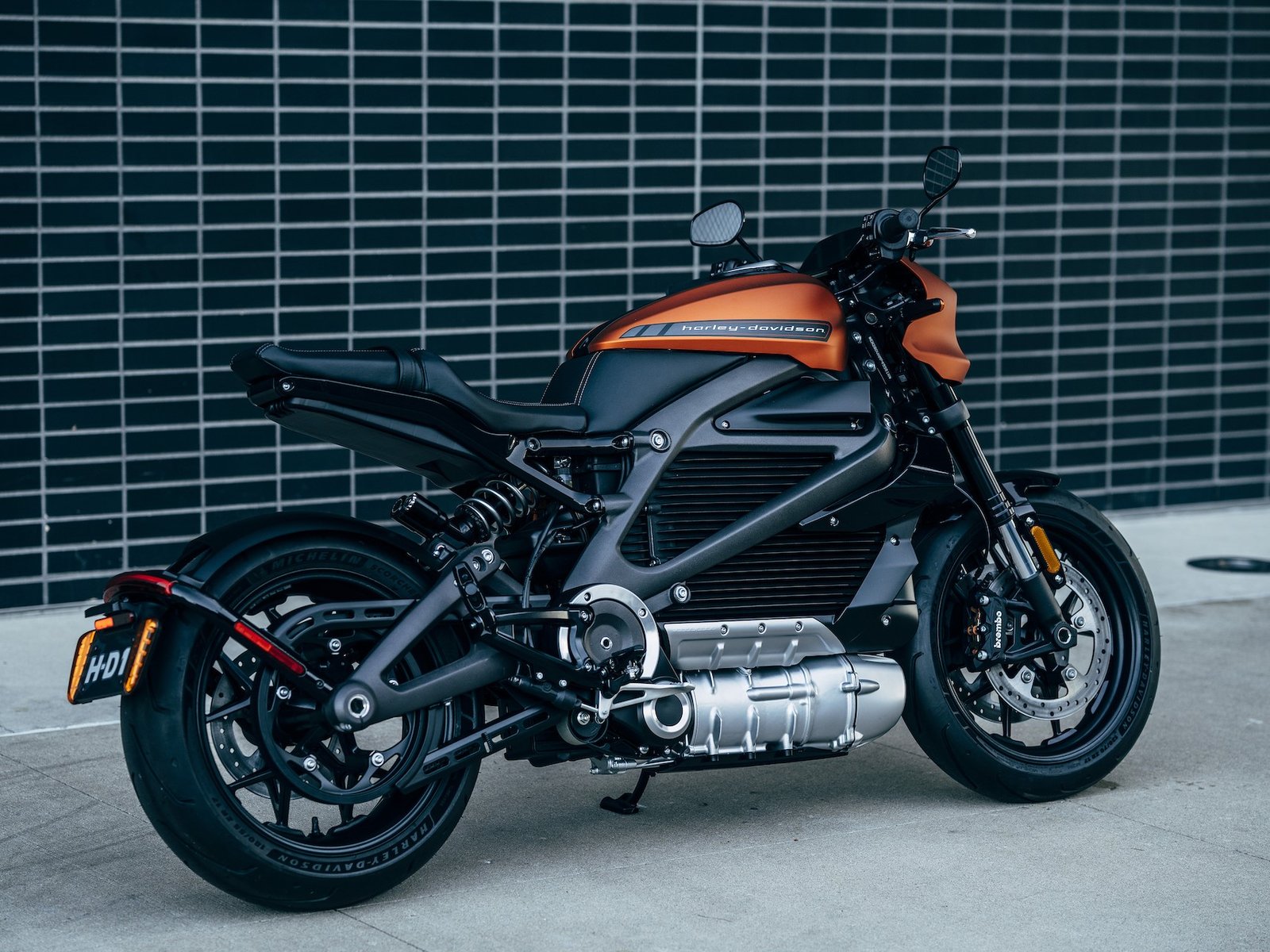
Electric motorcycles are becoming increasingly popular among riders who are looking for a more sustainable, eco-friendly mode of transportation. While traditional fuel motorcycles have been around for over a century, electric motorcycles are a relatively new addition to the market. This has led to a debate over which type of motorcycle is better: the electric motorcycle or the traditional fuel motorcycle.
There are advantages and disadvantages to both types of motorcycles. Traditional fuel motorcycles are known for their power, speed, and sound, while electric motorcycles are known for their quietness, efficiency, and low maintenance. Additionally, traditional fuel motorcycles have a longer range and can be refueled quickly, while electric motorcycles have a shorter range and require more time to charge. As a result, the choice between the two types of motorcycles largely depends on the rider’s preferences and needs.
Performance Comparison
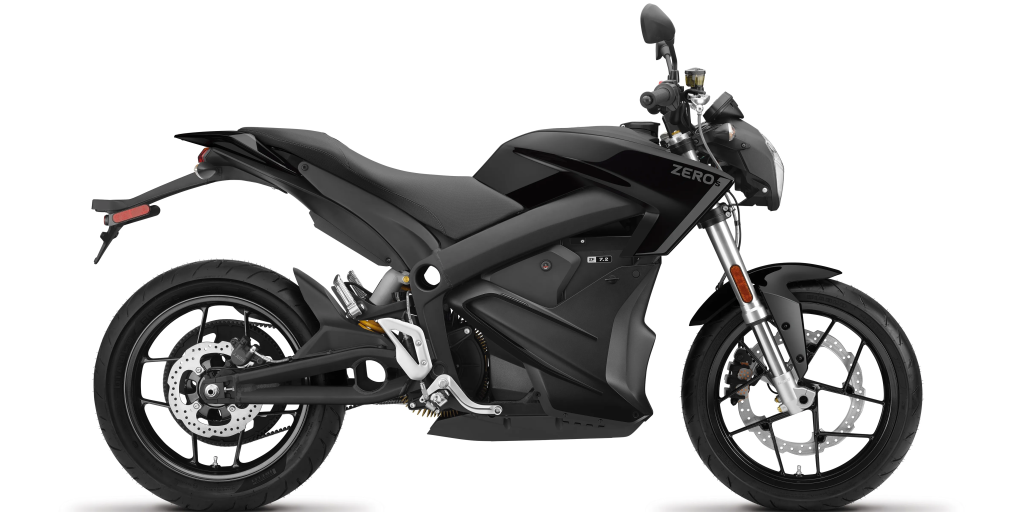
When it comes to performance, there are several factors to consider when comparing electric motorcycles to traditional fuel motorcycles. In this section, we will compare the acceleration, range, and maintenance costs of both types of motorcycles.
Acceleration
One of the biggest advantages of electric motorcycles is their instant torque. Unlike traditional fuel motorcycles, electric motorcycles have no gears to shift and can accelerate quickly from a standstill. This means that electric motorcycles can often outperform traditional fuel motorcycles in terms of acceleration. However, it’s important to note that the top speed of electric motorcycles is often lower than that of traditional fuel motorcycles.
Range
Range is another important factor to consider when comparing electric motorcycles to traditional fuel motorcycles. While traditional fuel motorcycles can travel long distances on a single tank of gas, electric motorcycles have a limited range and require frequent charging. However, advancements in battery technology are increasing the range of electric motorcycles, and some models can now travel up to 200 miles on a single charge.
Maintenance Costs
When it comes to maintenance costs, electric motorcycles have a clear advantage over traditional fuel motorcycles. Electric motorcycles have fewer moving parts and require less maintenance than traditional fuel motorcycles. They also don’t require oil changes, which can save riders money in the long run. However, electric motorcycles do require battery replacements over time, which can be expensive.
In conclusion, electric motorcycles offer several advantages over traditional fuel motorcycles when it comes to performance. While they may have a limited range, their instant torque and lower maintenance costs make them an attractive option for many riders. As battery technology continues to improve, we can expect to see even more advancements in the performance of electric motorcycles in the future.
Environmental Benefits
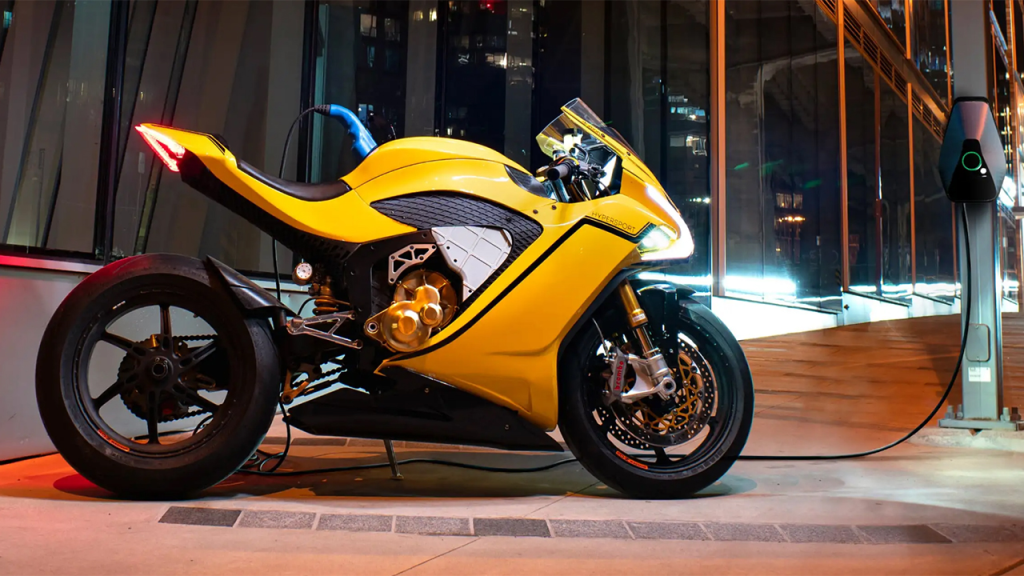
Electric motorcycles have been gaining popularity in recent years due to their environmentally friendly nature. They have a number of advantages over traditional fuel motorcycles when it comes to reducing carbon emissions and noise pollution.
Carbon Emissions
Electric motorcycles produce zero emissions at the tailpipe, making them a cleaner alternative to traditional fuel motorcycles. According to Motorcyclist Online, “a typical gasoline-powered motorcycle emits about 4.6 metric tons of CO2 annually, while an electric motorcycle produces zero emissions.” This makes electric motorcycles an attractive option for those who are concerned about the impact of their transportation on the environment.
Noise Pollution
Another benefit of electric motorcycles is that they produce less noise pollution than traditional fuel motorcycles. Gas-powered motorcycles can be very loud, especially when accelerating or traveling at high speeds. In contrast, electric motorcycles are much quieter. This can be a significant advantage in urban areas where noise pollution can be a major problem.
In addition to reducing carbon emissions and noise pollution, electric motorcycles also have the potential to be more energy-efficient than traditional fuel motorcycles. According to Ride Colibri, “electric motorcycles are more efficient than their gas counterparts, converting up to 90% of their energy into forward motion, compared to the 20-25% efficiency of gas engines.” This means that electric motorcycles require less energy to travel the same distance as a traditional fuel motorcycle.
Overall, electric motorcycles have a number of environmental benefits over traditional fuel motorcycles. They produce zero emissions at the tailpipe, produce less noise pollution, and have the potential to be more energy-efficient. As the world becomes more focused on reducing carbon emissions and protecting the environment, electric motorcycles are likely to become an increasingly popular choice for riders.
Economy
Purchase Cost
When it comes to purchasing a motorcycle, electric models are typically more expensive than traditional fuel motorcycles. This is due to the cost of the battery technology used in electric motorcycles, which is still relatively new and developing. However, the price of electric motorcycles is expected to decrease in the future as battery technology becomes more advanced and production costs decrease.
Running Costs
One of the biggest advantages of electric motorcycles is their lower running costs. Electric motorcycles require less maintenance than traditional fuel motorcycles, as they have fewer moving parts and don’t require oil changes. Additionally, the cost of electricity to charge an electric motorcycle is typically lower than the cost of gasoline for a traditional fuel motorcycle, resulting in lower fueling costs. According to Simply Motorcycle, even highly fuel-efficient gas motorcycles cost $0.04 per mile to fuel, while electric motorcycles cost just $0.02 per mile.
Government Subsidies
Many governments around the world offer subsidies and incentives for the purchase of electric vehicles, including electric motorcycles. These subsidies can help offset the higher purchase price of electric motorcycles and make them more affordable for consumers. For example, in the United States, the federal government offers a tax credit of up to $2,500 for the purchase of an electric motorcycle. Additionally, some states and local governments offer additional incentives, such as rebates or tax exemptions. However, it’s important to note that these subsidies and incentives vary by location and may not be available in all areas.
Future Trends
Battery Technology
Battery technology is rapidly advancing, and electric motorcycles are benefitting from these advancements. Lithium-ion batteries are the most commonly used batteries in electric motorcycles, but solid-state batteries are expected to become more prevalent in the future. Solid-state batteries offer higher energy density and faster charging times than lithium-ion batteries. These batteries are also safer since they do not contain liquid electrolytes that can cause fires or explosions.
Intelligent and Networking Technologies
Intelligent and networking technologies are becoming more prevalent in the motorcycle industry. These technologies include features such as adaptive cruise control, blind-spot detection, and vehicle-to-vehicle communication. These features improve safety and convenience for riders. In the future, electric motorcycles are expected to incorporate these technologies, making them even safer and more convenient to ride.
Market Share
The market share of electric motorcycles is expected to increase in the future. This is due to several factors, including advancements in battery technology, increased availability of charging infrastructure, and growing environmental concerns. In addition, governments around the world are offering incentives to encourage the adoption of electric vehicles, including motorcycles. As the market share of electric motorcycles increases, prices are expected to decrease, making them more accessible to a wider range of riders.
Overall, the future of electric motorcycles looks bright. Battery technology is improving, intelligent and networking technologies are becoming more prevalent, and the market share of electric motorcycles is expected to increase. As these trends continue, electric motorcycles will become more competitive with traditional fuel motorcycles in terms of performance, convenience, and affordability.
Conclusion
Electric motorcycles are becoming increasingly popular due to their numerous advantages. They are environmentally friendly, cost-effective, and require low maintenance. However, they still have some drawbacks, such as limited range and longer charging times.
On the other hand, traditional fuel motorcycles have been around for a long time and have a loyal fan base. They offer a thrilling riding experience, a wide range of options, and the ability to go long distances without refueling. However, they are not as eco-friendly and require more maintenance.
When it comes to the future trends, it is clear that electric motorcycles are on the rise. With advancements in battery technology and increased charging infrastructure, electric motorcycles will become more practical for everyday use. Moreover, many major motorcycle manufacturers are investing in electric motorcycle technology, which is a positive sign for the future of this industry.
In conclusion, both electric and traditional fuel motorcycles have their own advantages and disadvantages. The choice between the two ultimately depends on the rider’s personal preferences and needs. However, with the growing popularity of electric motorcycles and the advancements in technology, it is clear that the future of the motorcycle industry is moving towards a more eco-friendly and sustainable direction.
Frequently Asked Questions
What are the performance differences between electric and gas-powered motorcycles?
Electric motorcycles have instant torque and can accelerate quickly, making them ideal for city riding. Gas-powered motorcycles, on the other hand, have a longer range and can be refueled quickly. Gas motorcycles also have a higher top speed than most electric motorcycles.
How does the maintenance of electric motorcycles compare to traditional motorcycles?
Electric motorcycles have fewer moving parts than traditional motorcycles, which means they require less maintenance. They don’t need oil changes, and their brakes and tires last longer. However, when it comes to battery maintenance, electric motorcycles require special care to ensure the battery lasts as long as possible.
What is the expected range on a single charge for high-end electric motorcycles?
The range on a single charge for high-end electric motorcycles can vary greatly depending on the model. Some models can go up to 200 miles on a single charge, while others have a range of around 100 miles. It’s important to note that factors such as riding style, terrain, and weather conditions can affect the range of an electric motorcycle.
How do the costs of owning and operating an electric motorcycle compare to a gasoline motorcycle?
Electric motorcycles are generally more expensive to purchase than gasoline motorcycles, but they are cheaper to operate and maintain. They require less maintenance and have lower fuel costs. However, the cost of replacing the battery can be high.
What advancements in electric motorcycle technology can we anticipate in the near future?
Advancements in electric motorcycle technology are expected to include longer battery life, faster charging times, and improved range. There may also be advancements in the design and functionality of electric motorcycles, such as the ability to swap out batteries quickly.
What environmental impacts should be considered when choosing between an electric and a gas motorcycle?
Electric motorcycles produce zero emissions, making them a more environmentally friendly option than gas motorcycles. Gas motorcycles contribute to air pollution and are a significant source of greenhouse gas emissions. However, it’s important to consider the environmental impact of the production and disposal of the batteries used in electric motorcycles.